
Uneven transitions between rooms making your new floors look awkward? Gaps, trips, or that clunky threshold ruining the flow? T mold flooring is the simple strip that smoothly joins two floors of the same height, hides expansion gaps, and keeps everything looking seamless and safe.
What T Mold Flooring Actually Does
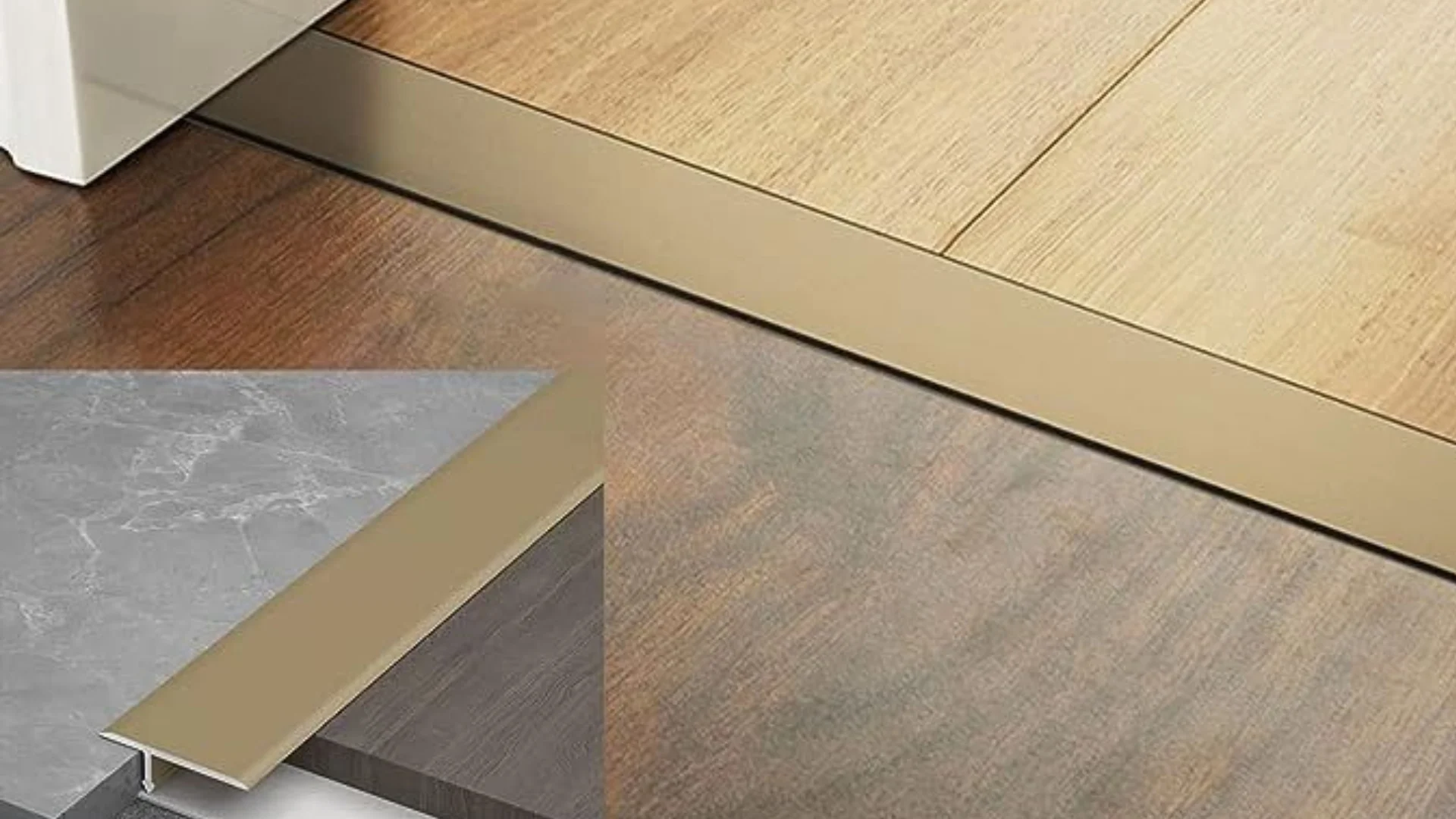
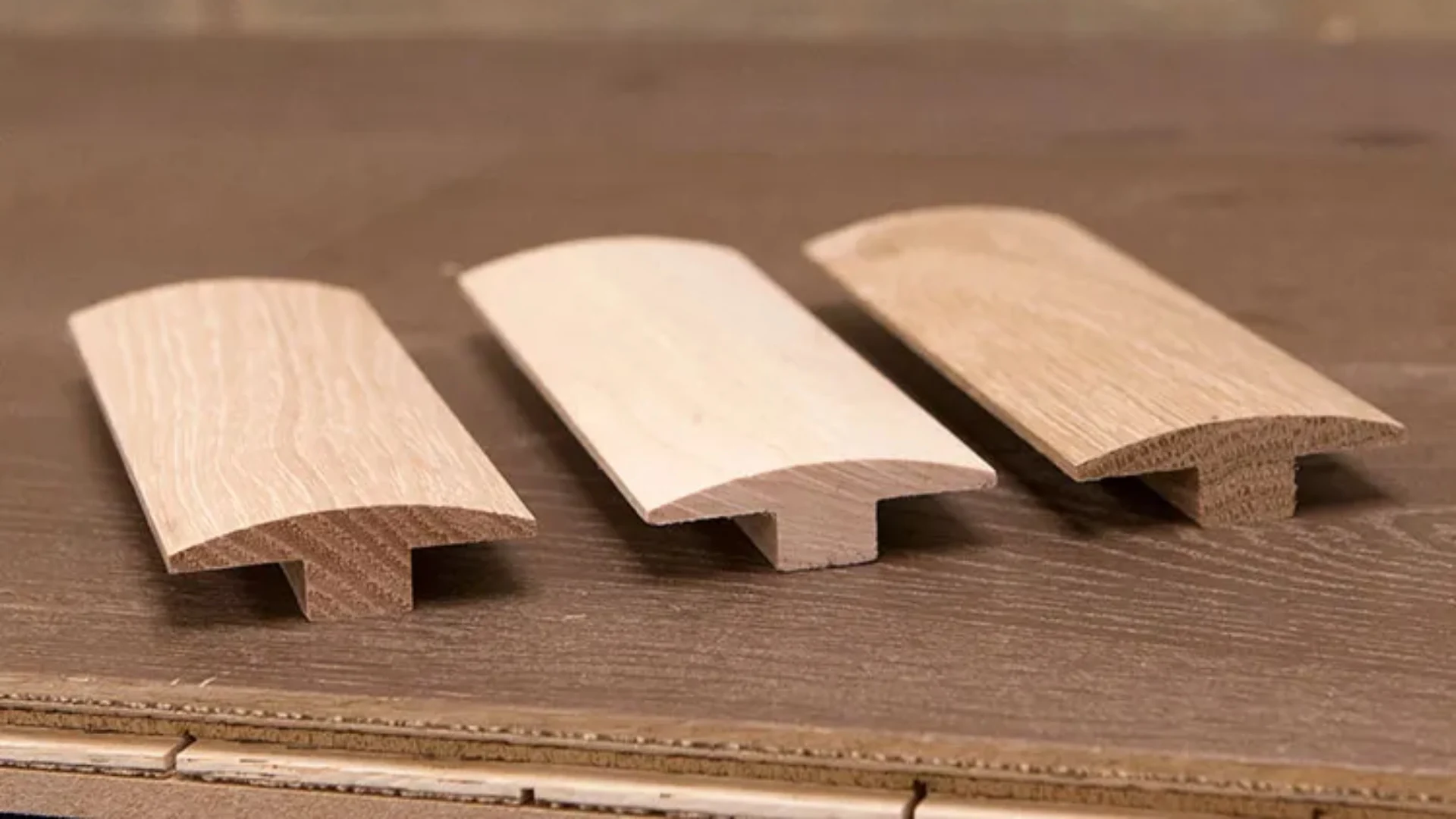
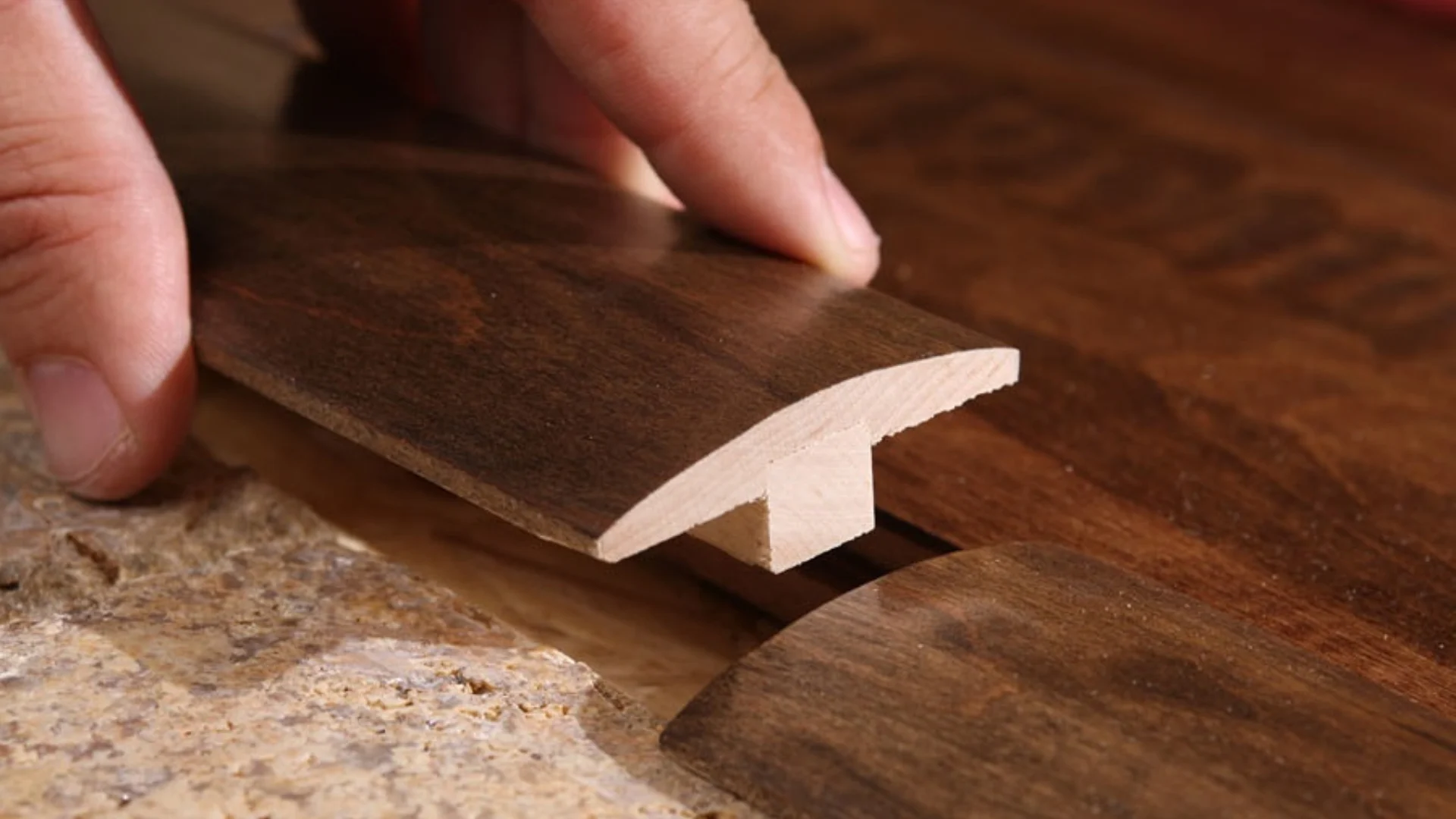
T mold flooring (also called T-molding) is a narrow, T-shaped transition strip that sits perfectly between two floors of equal height. It covers the necessary expansion gap, prevents edges from chipping, and creates one clean line where carpet meets tile, hardwood meets laminate, or any same-level combo.
Without it, floors look unfinished. With it, the whole house flows like it was designed that way from day one.
Why Every Flooring Pro Recommends T Mold
Here’s what proper T mold flooring fixes instantly:
- No More Tripping: Smooth, gentle slope instead of a sudden lip
- Cleaner Look: Hides ugly gaps and raw edges forever
- Edge Protection: Stops laminate or hardwood from chipping
- Quiet Floors: Reduces creaking where two materials meet
- Professional Finish: Turns DIY floors into “who did your reno?” floors
- Easy Cleaning: No more crumbs stuck in open gaps
It’s tiny, but the difference is huge.
Most Popular T Mold Styles in Canadian Homes
These are the ones flying out right now:
- Classic Wood-Grain T Mold: Matches oak, maple, or walnut floors perfectly huge in Toronto and Calgary
- Sleek Metal-Look: Brushed silver, black, or champagne trending hard in Vancouver condos
- Flexible Vinyl T Mold: Bends slightly for uneven subfloors lifesaver in older Montreal homes
- Flush Reducer Hybrid: When floors are almost the same height super clean in open-concept spaces
Materials That Actually Hold Up in Real Life
- Solid Hardwood T Mold: Gorgeous grain match, stains to perfection premium choice
- Laminate/Vinyl Wrapped: Exact colour match to your LVP or laminate most popular & affordable
- Aluminum with Wood Veneer: Super durable, looks real perfect high-traffic areas
- PVC/Flexible: Won’t crack in cold basements favourite on the East Coast
- Rubber T Mold: Quiet, forgiving, great for rentals underrated gem
How Pros Install T Mold (And Why DIY Is Risky)
We snap a track into the gap, level it perfectly, then click or glue the T mold in place. Takes minutes per doorway, zero visible nails, and it stays put for decades.
DIYers often cut too short, leave gaps, or split the strip. One wrong move and your beautiful floors look patched instead of polished.
Frequently Asked Questions
When do you actually need T mold flooring?
Anytime two floors of the same height meet (hardwood to tile, laminate to laminate, etc.) and you need to cover the expansion gap.
What’s the difference between T mold and reducer?
T mold joins equal-height floors. Reducer ramps down from higher to lower (e.g., hardwood to tile).
How wide is standard T mold?
Most are 1.5–2 inches wide and cover a ¼–½ inch gap we custom-cut if needed.
Can T mold be used outdoors?
Only aluminum or PVC versions. Wood and laminate will swell and crack.
How much does T mold cost in Canada?
$2–$15 per linear foot depending on material. Installation usually adds $3–$6 per foot.
How long does it take to install?
Most homes are done in under an hour often same day as the rest of your flooring.
Make your transitions flawless – Learn More Here!